

Creating psychological safety at the workplace
A thriving workplace starts with safety and trust.
When people feel free to share ideas, ask
questions, and admit mistakes without fear, innovation grows, collaboration strengthens, and
engagement rises. Psychological safety builds mutual respect and empowers individuals to
bring their authentic selves to work—feeling valued, heard, and motivated. By fostering this
environment, organizations unlock stronger results, deeper connection, and resilient teams.
It’s not a perk—it’s the foundation of modern leadership and lasting success.
This program is ideal for:
-
Managers, supervisors and team leaders
-
Heads of Departments
-
Senior executives, CEOs & business owners
-
Human resource professionals
Culture, Trust, Engagement
The cornerstones of psychological safety at the workplace
In this video, Michelle Morin – Founder of Possibilities World – shares the purpose behind our upcoming workshop:
How and why to create psychological safety in YOUR workplace.
This program is designed for leaders and teams who want to build workplaces where people feel safe to speak up, share ideas, and learn from mistakes.
Join us and explore practical tools, communication strategies, and leadership practices that help strengthen organizational trust, encourage open dialogue and constructive feedback exchange, manage conflict in healthy ways, and create healthier, more collaborative teams.

CULTURE, TRUST, ENGAGEMENT
The cornerstones of psychological safety at the workplace
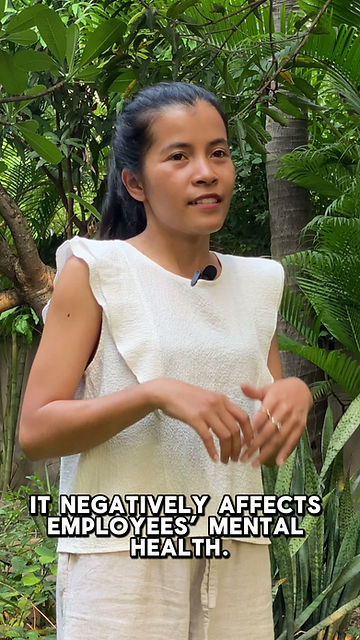
In this video, OUL Salav – Facilitator at Possibilities World – shares practical strategies for creating a workplace where people feel safe to speak up, ask questions, and share ideas without fear.
Discover how psychological safety helps build trust, improve communication, and encourage meaningful participation in every meeting.
so what will i learn?
Building Trust as the Foundation
In Module 1, we begin with The Triangle of Trust by Harvard Business School professor Dr. Frances Frei, exploring practical ways leaders can strengthen trust and inclusion. Trust isn’t abstract—it’s built
through consistent actions that drive inclusion, resilience, and collective success. Therefore, the leaders
will learn to:
-
Foster belonging: Create daily habits and communication practices that make people feel seen, heard, and valued.
-
Boost well-being: Practice healthy routines that activate D.O.S.E. hormones, energizing individuals and teams for purposeful collaboration.
-
Model integrity: Deliver on commitments, set clear expectations, and align work with core values to inspire accountability.
-
Encourage openness: Build empathetic spaces where team members can share ideas, ask for support, and admit mistakes without fear of judgment or retaliation.
Adaptive Communication, Emotional Intelligence & Feedback Tools
In Module 2, we look at strong communication and emotional intelligence practices. They aren’t
optional—they’re the skills that transform teams and drive lasting success.
The leaders will explore different communication tools, techniques and strategies to connect and keep the team accountable for excellence and team’s wellbeing & successes:
-
Adapt communication styles: Use tools that connect with curiosity, ease tension, and unlock team potential.
-
Stay composed under pressure: Manage emotions, avoid blame, and focus on solutions.
-
Give & receive empowering feedback: Build habits of intentional exchange that fuel growth and continuous learning.
-
Diffuse conflict with empathy: Apply non-violent communication to listen deeply and respond constructively.
Driving Engagement, Ownership & Innovation
Engaged teams don’t just perform—they innovate, adapt, and thrive together. Therefore, in the final module, leaders learn practical ways to build commitment, accountability, and creative momentum within their team. They will be able to create a courageous space for their team to:
-
Empower experimentation: Apply tools that encourage “fail fast” learning to improve and innovate.
-
Normalize mistakes: Create a culture where failures are openly shared and resolved with constructive next steps.
-
Address bias & micro-aggressions: Use practices that foster safety, inclusion, and genuine appreciation for diversity.
-
Celebrate success: Recognize team achievements to strengthen motivation and collective purpose.


Siem Reap 2026 Schedule
🏷️ *95 for a 2-day program per person / $80 per person if 2 or more people register from the same workplace.
🐥 Early Bird Registration: per person is $70.00 USD if participants register 2 or more weeks before the program begins
The workshop is delivered in both Khmer & English by 2 senior facilitators.
For more information or to register:
paopiseth@possibilitiesworld.com
michelle@possibilitiesworld.com
+855.12.353.611 (KH) /
+855.12.516.452 (EN)